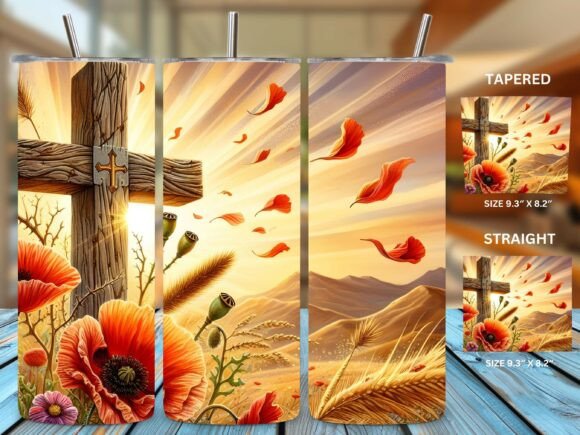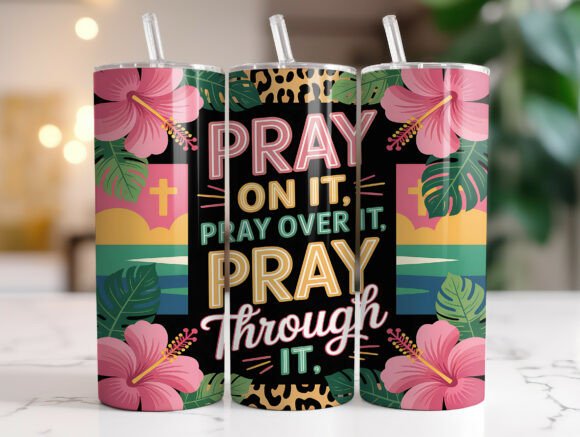
Christian Faith Bible Verse Tumbler Wrap
A Quiet, Uplifting Presence—Not Just Another Religious Motif
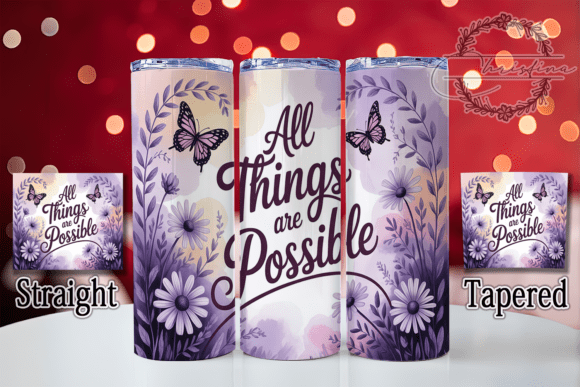
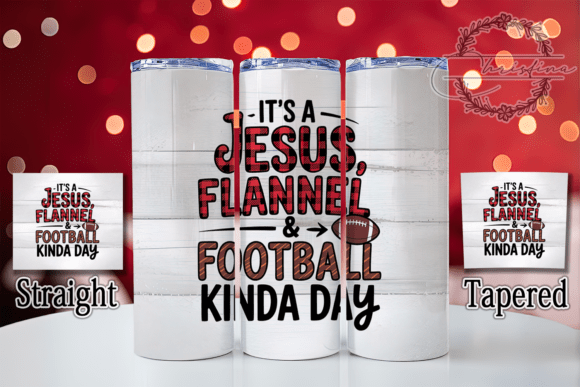
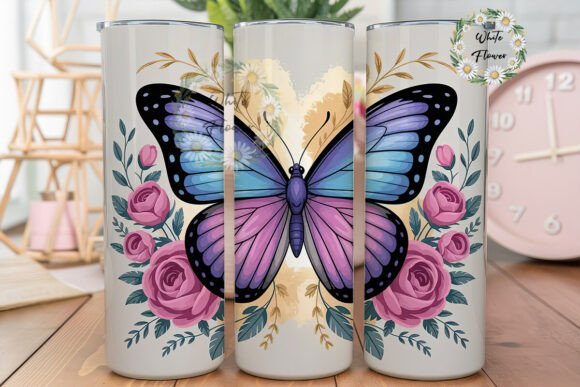
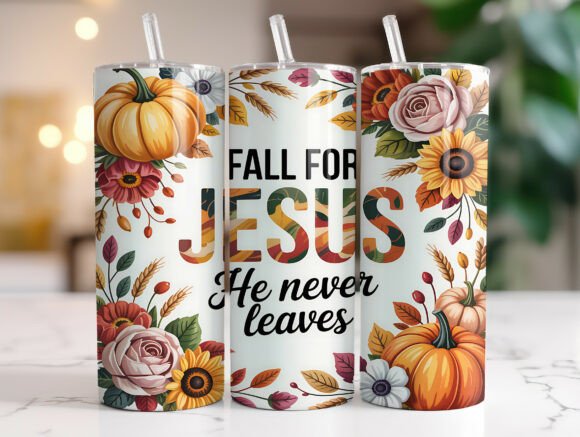
First impression? This isn’t a bold proclamation—it’s a gentle anchor. The Christian Faith Bible Verse Tumbler Wrap carries a calm reverence, with clean letterforms, balanced spacing, and subtle decorative elements that suggest thoughtfulness rather than ornamentation. It reads like a whispered promise: legible at a glance, meaningful on closer look. As someone who’s stitched hundreds of faith-based designs for clients—from nursery wall hangings to boutique sweatshirts—I immediately sensed its versatility. It doesn’t shout; it settles in. That makes it ideal for products where tone matters as much as text: baby onesies, linen tea towels, minimalist tote bags, or the inside seam of a handmade apron.
Where It Shines in Real Embroidery Projects
I tested the Christian Faith Bible Verse Tumbler Wrap across three actual builds last week: a 12-ounce cotton tote for a local church fundraiser, a lightweight unisex sweatshirt for a small Etsy shop, and a set of embroidered kitchen towels for a wedding gift bundle. In each case, the design held its integrity—not just visually, but emotionally. On the tote, the moderate width and vertical rhythm kept the verse readable even when the fabric shifted slightly under tension. On the sweatshirt, it avoided the “crowded chest” effect many scripture designs fall into—no awkward stretching or distortion around the shoulder seam. And on the towels? The stitch density was just right: enough fill to feel substantial, not so dense it stiffened the weave.
This is a machine embroidery design that respects fabric behavior. It works well for custom apparel, embroidered patches (especially when backed with tear-away stabilizer), and pillow covers where softness matters. I’ve also used it successfully as a focal point on baby embroidery—stitched in ecru thread on oatmeal knit—to avoid overwhelming delicate garments. Holiday embroidery? Yes—think simple linen stockings or gift tags. Boutique branding? Absolutely—pair it with neutral packaging and it reads as intentional, not generic.
Where to Pause—and Why
It’s not universally forgiving. On thin or stretchy fabrics—like jersey tees or lightweight rayon—the outer edges of the verse can blur if stabilizer isn’t layered thoughtfully. I recommend cutaway + topping for anything with drape. Curved surfaces (caps, tumblers themselves) require careful hooping and possibly slight digitizing tweaks—this design wasn’t built for extreme contouring, so test on a cap mockup before committing to a full run. Also, while the lettering is clear, the smallest words (“and,” “in,” “the”) rely on crisp satin stitch definition—if your machine struggles with fine lettering or your thread tension is inconsistent, those details may soften.
Dense fill areas—especially any floral or vine motifs included in the wrap—can trap moisture in high-wash items like kids’ bibs or dish towels. If you’re selling finished products meant for frequent laundering, confirm stitch density allows breathability. And on dark fabric? Always test thread color contrast first. What reads beautifully in charcoal gray on a mockup may vanish on navy unless you choose a high-contrast thread like bright white or gold metallic.
Design Assets That Build Trust
Customers notice when a faith-based design feels authentic—not mass-produced, not rushed. The Christian Faith Bible Verse Tumbler Wrap lands in that sweet spot: reverent without being stiff, classic without being dated. When stitched cleanly on a handmade product, it signals care—not just in execution, but in intention. That translates directly to perceived value. A client told me her customers specifically asked for “that quiet Bible verse” on their personalized gifts—no extra marketing needed. That kind of organic recognition is gold for Etsy sellers and small shop owners building loyal followings.
It also supports brand consistency. Whether you’re using it across a line of nursery decor or rotating it seasonally in your craft fair booth, the design holds its voice. No jarring shifts in weight or scale. That cohesion helps buyers connect your work to a feeling—not just a product.
Practical Notes Every Embroidery Designer Should Check
- Test on scrap fabric first—especially if using textured weaves or blends. Stitch density and thread choice behave differently on linen vs. cotton duck.
- Review stitch density before scaling. Enlarging beyond recommended dimensions can overfill small letterforms; shrinking too far risks losing definition in serif details.
- Confirm hoop size compatibility. While it fits standard 4x4 hoops comfortably, double-check corner clearance if stitching near seams or edges.
- Inspect small details under magnification—especially punctuation and crossbars on letters like “t” or “e.” These are easy to miss until you’re mid-hooping.
- Test black-and-white mockups to evaluate contrast and hierarchy—what stands out first? Does the verse breathe, or does it feel cramped?
- Compare light and dark fabric backgrounds side-by-side. Some thread palettes flatter one but fade on the other.
- Use proper stabilizer—lightweight cutaway for stable wovens, fusible + topping for knits. Skipping this step undermines clarity faster than any digitizing flaw.
- Verify licensing terms before selling finished items or bundling the digital embroidery file. Not all Tumbler Wraps include commercial use rights—check before listing on Etsy or adding to your craft business catalog.
Final Thought: A Design That Serves the Moment
The Christian Faith Bible Verse Tumbler Wrap isn’t flashy—but then, it’s not meant to be. Its strength lies in how quietly it elevates everyday objects: a coffee cup sleeve becomes a moment of pause, a baby blanket becomes a benediction, a boutique tote becomes a conversation starter. For embroidery designers and creative entrepreneurs who value meaning alongside craftsmanship, it’s a reliable, resonant tool—not just another file in the library, but a thoughtful addition to your design assets. Use it where sincerity matters more than spectacle. And always, always test it first—not just for stitches, but for soul.