Christian PNG Loved by the Father Illustrations
As a handmade business designer who’s shipped over 12,000 custom craft items—from Easter mugs and baptismal gift tags to printable Bible study kits and Cricut-cut wall decals—I opened Christian PNG Loved by the Father with one question: “Can I use this *today* for real customer orders?” Not as filler in a bundle. Not as a ‘maybe’ for next season. But right now—on a batch of linen tea towels, vinyl-wrapped tumblers, and digital planner stickers heading to Etsy buyers this week.
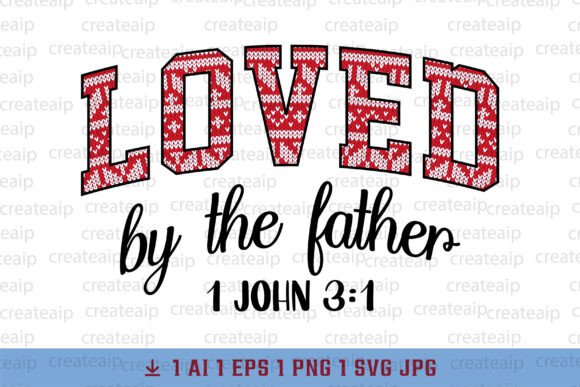
First impression? Warm, reverent, and quietly confident—not overly ornate, not cartoonish, not stiffly formal. It carries a gentle elegance that leans into soft serif typography and muted gold or sage accents, but holds up beautifully against bold navy or crisp white backgrounds. Think: a mom ordering baptism favors for her daughter, a church volunteer prepping Sunday school welcome kits, or an Etsy seller launching a “Grace-Filled Living” sticker collection. It attracts buyers who value authenticity over flash—people who want faith-centered design that feels personal, not preachy.
Where This Illustration Fits Like a Well-Cut Vinyl Sheet
Christian PNG Loved by the Father shines brightest when used intentionally—not as a standalone hero, but as a meaningful anchor in layered, thoughtful designs. Here’s where it lands perfectly:
- Cricut & Silhouette projects: The SVG version cuts cleanly on premium vinyl (tested on Oracal 651 and Siser EasyWeed) at sizes from 2.5" (for gift tags) to 8" (for tote bag appliqués). No stray nodes, no overlapping paths—just smooth curves and intentional negative space.
- Sticker design: As a PNG with true transparency, it drops flawlessly into sticker mockups. Works especially well on matte vinyl for planner stickers or kiss-cut sheets—no halo, no bleed, no guessing whether the background will show through.
- Mug & tumbler wraps: At 300 DPI and vector-scaled clarity, it holds detail even when wrapped around curved surfaces. Paired with a simple script font (“You Are Held”), it becomes a best-selling sublimation design for Christian coffee shops and women’s ministry gifts.
- Printable design & digital products: Included in a printable wall art set? Yes. Centered on a baptism invitation? Absolutely. Added to a devotional journal cover? Perfect. Its balanced proportions scale cleanly across A4, 8x10, and 5x7 layouts without distortion.
- Handmade packaging & branding: Printed on kraft thank-you cards or stamped onto cotton gift tags, it elevates small-batch packaging without feeling generic. It supports small business branding because it doesn’t scream “clipart”—it whispers “crafted with care.”
Where to Pause—and Test First
This isn’t a “drop-and-go” asset for every use case. As someone who’s scrapped three full batches of iron-on transfers due to untested file quirks, I’ll be direct:
- Avoid ultra-small cuts: Below 1.25", fine interior details (like subtle line work in the halo or delicate lettering flourishes) risk vanishing on intricate weeding—especially with thin vinyl or heat-transfer material.
- Watch contrast on dark substrates: The PNG’s light-toned elements read beautifully on white mugs or ivory cardstock—but test it on black tumblers or navy fabric first. Some versions include a subtle drop shadow; others don’t. Confirm which you’re using.
- Don’t layer it densely: While lovely solo or with one supporting element (a cross icon, a single vine motif), stacking multiple decorative layers over this illustration can muddy its emotional clarity—especially in print-on-demand previews where color shifts are common.
- Check licensing before bundling: This is a commercial design—but verify whether the license permits inclusion in subscription-based digital products or print-on-demand marketplaces. I’ve seen sellers get flagged for unintentional license overreach.
Real Crafter Notes You’ll Actually Use
These aren’t theoretical tips—they’re what kept my shop open during holiday crunch last year:
- Always run a test cut on scrap vinyl before loading your Cricut mat for customer orders—even if it’s the same file you used last month. Blade wear and material batch variance matter.
- Preview the PNG transparency over both white and charcoal mockups. Some versions include a faint glow effect that reads differently depending on base color.
- Resize thoughtfully: Enlarging beyond 12" for wall art? Open the SVG in Inkscape or Illustrator first—don’t stretch the PNG. Pixelation kills perceived quality fast.
- Pair with intention: Serif fonts (like Playfair Display) reinforce its timeless tone. Sans serifs (Montserrat) give modern minimalism. Avoid overly decorative scripts unless they echo the illustration’s line weight.
- Confirm resolution for sublimation: If using for tumblers or ceramic mugs, ensure your exported JPG/PNG is 300 DPI at final print size—not just “high res” in name only.
- Place on real product mockups before listing. That “Loved by the Father” sentiment hits differently on a textured linen pouch than it does on a flat screen.
Why This Illustration Belongs in Your Design Toolkit
Christian PNG Loved by the Father isn’t just another clipart download—it’s a versatile, emotionally resonant graphic design asset built for real handmade workflows. It bridges the gap between sacred sentiment and sellable design. Whether you’re creating physical products for craft fairs or digital downloads for your Etsy shop, it adds quiet authority to faith-based collections without leaning into cliché.
I’ve used it in baptism bundles (paired with watercolor washes), printable scripture cards (with generous margins for journaling), and even as a watermark on client proposals for church branding projects. It works because it’s clean, licensed clearly, and designed with the constraints of cutting machines, printers, and human hearts in mind.
If you’re curating design assets for a handmade business—or building seasonal collections that balance meaning with marketability—Christian PNG Loved by the Father earns its place alongside your most trusted SVGs and printable illustrations. Just remember: test, scale, pair, and always, always lead with purpose—not pixels.