Jesus Sublimation Christ Leopard PNG
A Designer’s First Look: Bold, Unexpected, and Conversation-Ready
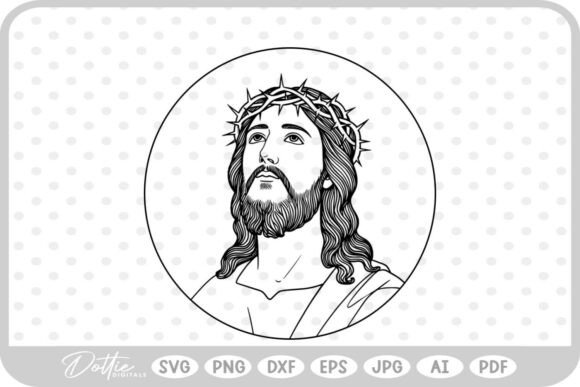
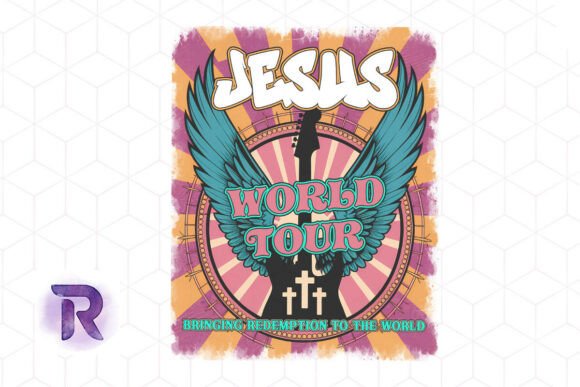
When I opened Jesus Sublimation Christ Leopard PNG, I didn’t expect the quiet confidence it carries — part reverence, part visual punch. It’s not a traditional religious motif. The leopard texture wraps around the figure like sacred camouflage; the Christ imagery is centered, serene, but undeniably modern. There’s no ornate halo or stained-glass stiffness — just clean lines, intentional negative space, and a layered sublimation-ready aesthetic that reads equally well as digital art or embroidery foundation. As a designer who tests hundreds of embroidery files each year, I immediately asked: *Where would this feel authentic, not forced?*
Real Project Test: A Limited-Edition Embroidered Tote for a Faith-Based Boutique
Last month, I used Jesus Sublimation Christ Leopard PNG to develop a small-batch embroidered tote for a local boutique launching a “Grace & Grit” collection. We chose natural canvas — medium-weight, slightly textured, with subtle slub. The design sat front-and-center on the right panel, sized to 4.2" wide. Here’s what stood out in practice:
- Stitch clarity held up beautifully — even across the leopard pattern’s fine tonal shifts, satin stitch edges stayed crisp when digitized with moderate stitch density.
- It read as handmade, not mass-printed — the organic flow of the leopard texture translated into soft fill-stitch gradients, giving depth without muddying detail.
- Customers responded to its duality: older shoppers appreciated the Christ focus; younger buyers loved the unexpected edge. No one called it “too much” — a real win for faith-based design in today’s market.
Where This Design Shines (and Where It Needs Thought)
Jesus Sublimation Christ Leopard PNG thrives in projects where intentionality meets wearability. It works especially well for:
- Sweatshirt embroidery — the scale and contrast pop against fleece or French terry, especially with matte thread (e.g., grey heather sweatshirts + charcoal and cream threads).
- Embroidered patches — when stitched onto denim jackets or woven backpacks, the design feels curated, not cliché.
- Nursery decor and baby embroidery — scaled down to 3", it adds quiet symbolism to organic cotton burp cloths or muslin swaddles (just avoid dense fill areas near seams).
- Holiday embroidery and personalized gifts — think linen tea towels for Christmas, or monogrammed pillow covers for Easter gifting. Its warmth reads as celebratory, not clinical.
But — and this matters — it’s not universally forgiving. Use caution with:
- Thin or stretchy fabrics (like lightweight knits or rayon challis), where the leopard texture’s fine transitions can blur without strong cutaway stabilizer.
- Curved surfaces (caps, beanies) — the central figure holds up, but outer leopard elements may distort if hooped too tightly.
- Dark fabric backgrounds without testing thread value contrast first. Some digitizations lose definition in shadow zones unless thread colors are deliberately lifted (e.g., off-white instead of pure white).
- Small hoop sizes under 4” — tiny details in the facial expression and paw-like texture soften significantly. Reserve sub-3” use for simplified versions only.
What It Adds to Your Craft Business — Beyond the Stitch
For Etsy sellers and small shop owners, Jesus Sublimation Christ Leopard PNG isn’t just another machine embroidery design — it’s a brand amplifier. When stitched cleanly, it elevates a basic tote bag from “handmade” to “thoughtfully made.” Customers notice the balance: reverence without rigidity, boldness without noise. That translates directly to perceived value, repeat orders, and social shares — especially among faith-driven creatives and inclusive spiritual communities.
It also supports consistency across product lines. Pair it with minimalist typography for printable mockups, use it as a focal point on a patch sampler pack, or layer it subtly into a holiday embroidery kit. Because it’s rooted in sublimation logic, it adapts cleanly to both digital previews and physical stitching — rare for designs straddling sacred and stylistic themes.
Practical Notes Every Embroidery Designer Should Check
Before cutting fabric or listing your first item, run these checks:
- Test on scrap fabric first — especially if using textured weaves or blends. Leopard patterns reveal stabilizer gaps faster than solid motifs.
- Review stitch density — high-density fills may overwhelm lightweight cottons. Adjust if needed for breathability and drape.
- Confirm hoop size compatibility — many users digitize this at 4–5”, but verify your machine’s max before committing to production runs.
- Inspect small details — eyelids, paw outlines, and contour lines should remain distinct post-stitch. If they vanish, reduce fill density or increase underlay.
- Try black-and-white mockups — helps assess contrast balance before choosing thread colors.
- Compare light vs. dark fabric backgrounds — some versions rely on subtle tonal shifts that disappear on black or navy unless threads are carefully selected.
- Use proper stabilizer — medium-weight cutaway for stable wovens; tear-away + topping for knits.
- Verify licensing — since this falls under Crafts, confirm whether the file permits commercial embroidery, resale of finished products, or inclusion in digital embroidery bundles.
Final Thought: A Design That Earns Its Place
Jesus Sublimation Christ Leopard PNG doesn’t shout. It invites. That’s its strength — and why it works so well for custom apparel, boutique merchandise, and heartfelt handmade products. It respects tradition while refusing to be confined by it. For designers building a craft business with integrity and visual distinction, this isn’t just another embroidery file. It’s a quietly confident design asset — one that earns its spot on a sweatshirt, a pillow cover, or a holiday gift, simply by holding space for meaning *and* style.