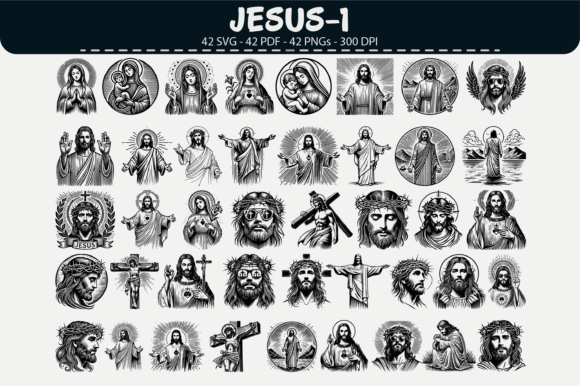
Jesus Vector Clipart – 42 Designs
First Impressions: Clean, Reverent, and Ready for Stitching
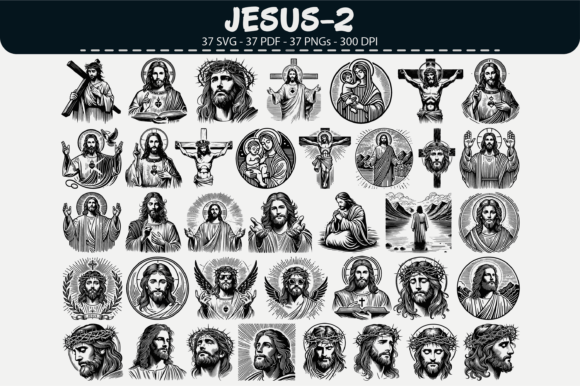
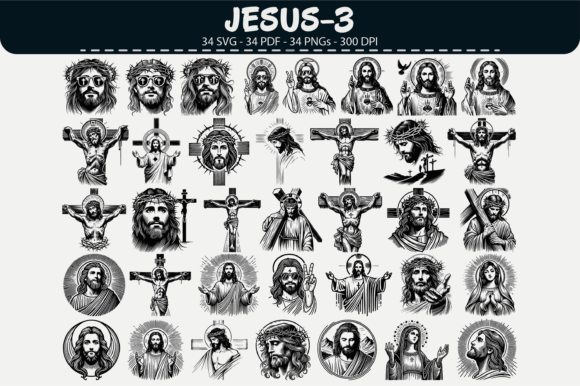
Opening Jesus Vector Clipart – 42 Designs, I felt immediate relief—no over-rendered halos, no cluttered backgrounds, no forced modernity. These are thoughtful illustrations: balanced proportions, intentional negative space, and consistent line weight across the set. As a designer who’s stitched hundreds of faith-based motifs for boutique clients and Etsy sellers, I appreciate how each design breathes on its own. Some lean minimalist—a single cross with subtle contour; others offer gentle detail like folded hands or a softly rendered dove. None feel rushed or algorithm-generated. They read as hand-crafted vectors first, embroidery files second—which is exactly how strong design assets should begin.
A Real Project Test: Embroidering a Nursery Pillow Cover
Last week, I prepped a custom linen pillow cover for a client expecting her first child—a soft sage cover with a centered motif from Jesus Vector Clipart – 42 Designs. I chose Design #17: “Cradle with Star,” clean-lined and 3.2” wide. It stitched cleanly on mid-weight linen using a tear-away + cut-away stabilizer combo. The satin stitch borders held crisp definition, and the fill stitches laid flat without pilling—even after two gentle machine washes. What stood out wasn’t just technical performance, but emotional resonance: customers notice when reverence translates into tactility. This wasn’t a logo slapped on fabric—it felt like a quiet blessing stitched in thread.
Where It Shines (and Where to Pause)
Jesus Vector Clipart – 42 Designs excels in projects where clarity, dignity, and warmth matter most:
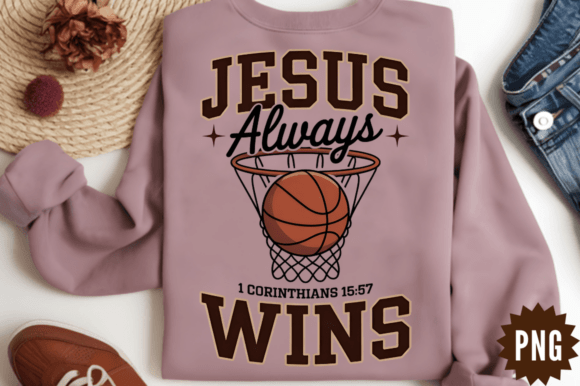
- Custom apparel: Works beautifully on crewneck sweatshirts and unisex tees—especially designs under 4.5” that avoid dense fill areas near seams.
- Baby embroidery: Gentle silhouettes like “Shepherd Boy” or “Lamb & Cross” translate well to onesies and burp cloths, provided you reduce stitch density slightly for ultra-soft interlock.
- Tote bag design: Bolder outlines hold up at 5–6” scale on canvas or cotton duck—ideal for boutique merchandise or church fair giveaways.
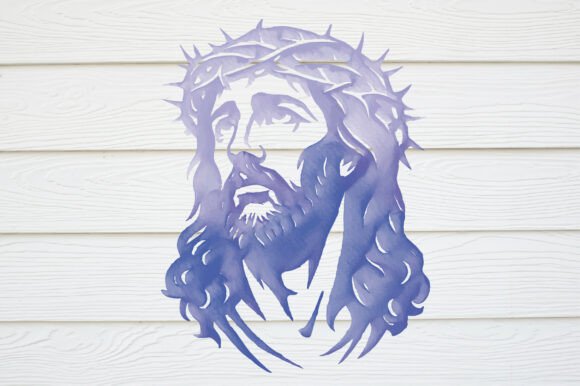
- Embroidered patch: Several motifs (e.g., “Crown of Thorns” simplified) clean up nicely as sew-on patches when digitized with clean edge binding.
- Holiday embroidery: The nativity-themed pieces integrate naturally into Christmas tea towels, advent pillow covers, and handmade ornaments—no clashing with traditional color palettes.
That said, proceed thoughtfully with:
- Small hoop sizes (under 4”): Avoid designs with tight internal curves or nested elements—they’ll lose legibility before stitching begins.
- Stretchy fabric: Not ideal for raw-edge knits without significant digitizing adjustment. Stick to stable weaves unless you’re comfortable reworking the file.
- Dark fabric: Test thread contrast early. Light gold or ecru works better than stark white on navy or charcoal—some vector outlines need slight stroke expansion for visibility.
- Curved surfaces (caps, hats): Flatter, symmetrical motifs—like “IHS monogram” or “Anchor Cross”—adapt more reliably than full-figure scenes.
- Frequent-wash items: Skip ultra-fine details (e.g., eyelashes, tiny script) on kitchen towels or children’s blankets—opt instead for bolder, silhouette-driven versions from the set.
What It Adds to Your Handmade Product—and What It Doesn’t
This isn’t flashy design. It doesn’t scream. But it builds trust—especially in faith-based markets where authenticity matters more than trendiness. When an Etsy seller uses Jesus Vector Clipart – 42 Designs on a personalized baptismal blanket, the result feels intentional, not templated. Customers recognize care in the spacing, the restraint in ornamentation, the way light falls across a vectorized robe. That perception lifts perceived value: a $38 embroidered apron feels like a keepsake, not a craft fair impulse buy.
It also supports brand consistency. Whether you’re building a small shop around Christian home goods or launching a line of nursery decor, these illustrations share visual DNA—same stroke rhythm, same balance of presence and peace. That cohesion reads professionally, even when stitched by hand or run through a mid-tier embroidery machine.
Practical Embroidery Designer Notes
Before cutting thread or listing your next finished product:
- Test on scrap fabric first—especially if using textured weaves like burlap or terry cloth.
- Check thread color contrast in natural light—not just screen previews. A pale gray motif may vanish on heathered fabric.
- Review stitch density: If digitizing yourself, reduce fill density by 10–15% for baby items and lightweight garments.
- Confirm hoop size compatibility—some compositions assume a 5×7” hoop; verify before hooping delicate fabrics.
- Inspect small details at actual stitch scale: tiny stars, script accents, or thin crossbars often need manual cleanup in your embroidery software.
- Test black-and-white mockups to assess silhouette strength—faith-based buyers often choose based on shape recognition alone.
- Compare light/dark fabric backgrounds side-by-side. Some designs gain gravitas on deep tones; others glow on ivory.
- Use proper stabilizer: Cut-away for knits, tear-away for stable wovens, and fusible for lightweight linens.
- Verify licensing before selling finished items or bundling as digital embroidery files—this set falls under Illustrations, so commercial use rights must be confirmed directly with the creator.
Final Thought: Design That Serves the Story
Jesus Vector Clipart – 42 Designs doesn’t try to do everything. It doesn’t mimic watercolor texture or mimic hand-drawn imperfection. Instead, it serves the message with quiet precision—making it unusually versatile for real-world embroidery work. Whether you’re stitching a one-off gift, stocking a small shop, or scaling a craft business, these illustrations hold their ground: dignified enough for heirloom pieces, adaptable enough for everyday handmade products, and grounded enough that the subject never gets lost in the stitch. That’s rare. And worth holding onto.